Damaged Yard Repair in Honolulu, HI
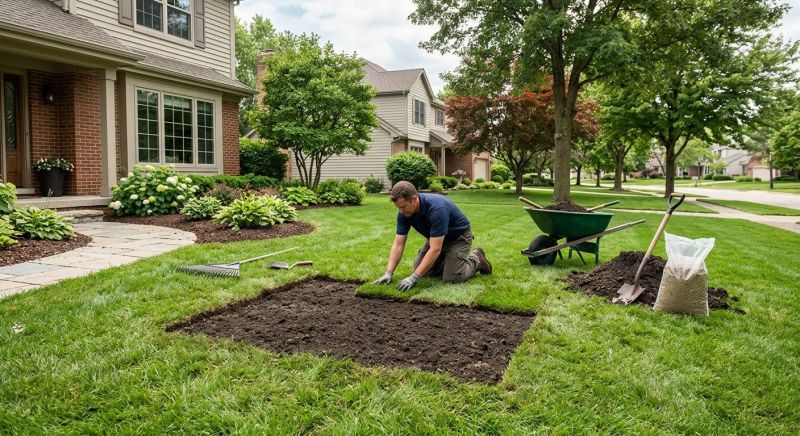
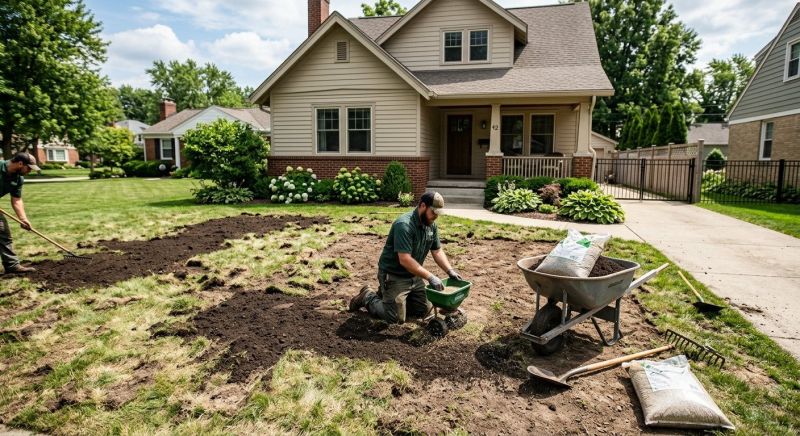
Damaged yard repair services focus on restoring outdoor spaces that have been affected by weather, erosion, neglect, or other damaging factors. These projects often include fixing uneven or eroded soil, repairing or replacing damaged lawn areas, restoring flower beds, and addressing issues caused by fallen trees or storm damage. Property owners typically seek this service to improve the appearance of their yard, prevent further deterioration, and create a safe, functional outdoor environment for relaxation and activities.
Before requesting damaged yard repair, property owners usually want to understand the extent of the damage, the types of repairs needed, and the materials or methods that will be used to restore the yard. Clarifying goals for the space, such as improving drainage, re-establishing grass, or repairing landscape features, can help ensure the work aligns with expectations. It’s also helpful to discuss any existing landscaping plans or restrictions to ensure the repair work integrates smoothly with the overall property design.
Many property owners in Honolulu, HI look into Damaged Yard Repair for repairs, replacements, upgrades, and appearance-related improvements.
Yard Damage Restoration
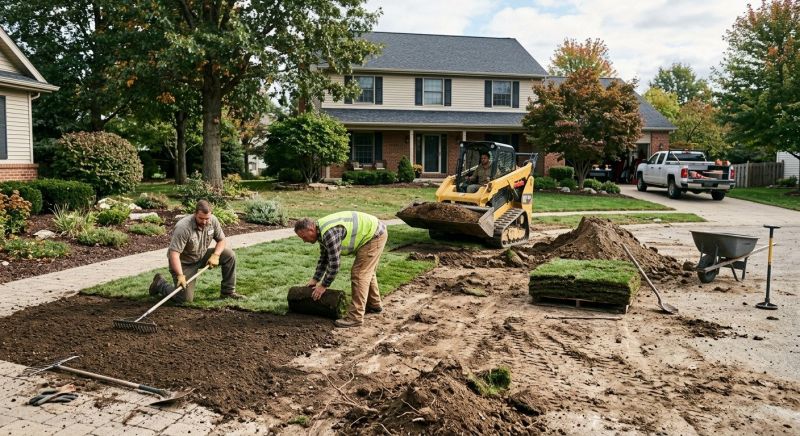
Repairing areas affected by erosion, storms, or heavy foot traffic to restore your yard's appearance.
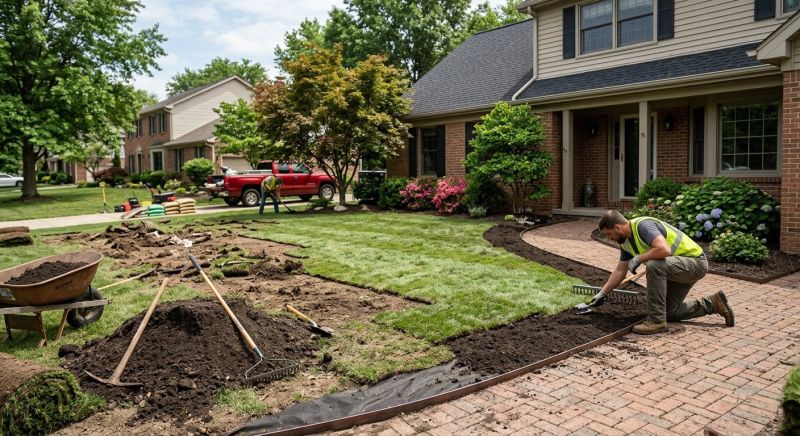
Soil And Turf Repair
Replacing or leveling damaged soil and turf to ensure a healthy, even landscape.
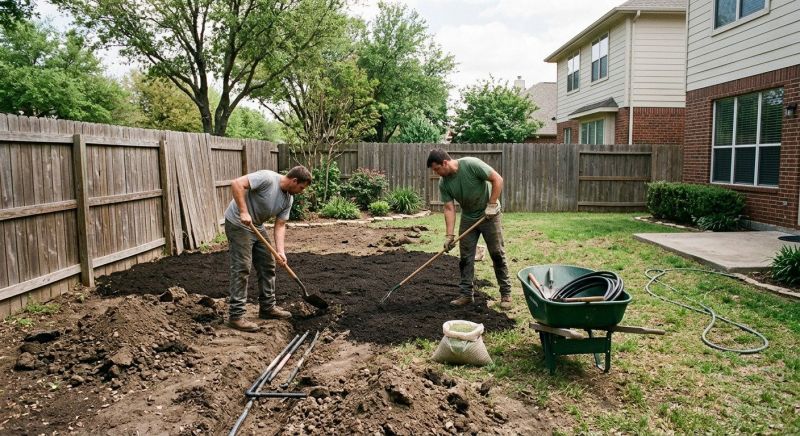
Landscape Damage Prevention
Addressing issues caused by pests, animals, or weather to protect your yard's long-term health and beauty.
Damaged Yard Repair in Honolulu, HI

Damaged yard repair services focus on restoring outdoor spaces that have been affected by weather, erosion, neglect, or other damaging factors. These projects often include fixing uneven or eroded soil, repairing or replacing damaged lawn areas, restoring flower beds, and addressing issues caused by fallen trees or storm damage. Property owners typically seek this service to improve the appearance of their yard, prevent further deterioration, and create a safe, functional outdoor environment for relaxation and activities.
Before requesting damaged yard repair, property owners usually want to understand the extent of the damage, the types of repairs needed, and the materials or methods that will be used to restore the yard. Clarifying goals for the space, such as improving drainage, re-establishing grass, or repairing landscape features, can help ensure the work aligns with expectations. It’s also helpful to discuss any existing landscaping plans or restrictions to ensure the repair work integrates smoothly with the overall property design.
Many property owners in Honolulu, HI look into Damaged Yard Repair for repairs, replacements, upgrades, and appearance-related improvements.
Common Damaged Yard Repair Jobs
Yard leveling - restoring uneven surfaces to improve safety and usability.
Tree removal - clearing damaged or fallen trees to prevent further property damage.
Debris cleanup - removing broken branches, leaves, and other debris after storms.
Soil repair - fixing erosion and compacted soil caused by heavy damage.
Fence repair - restoring damaged fencing to secure and define property boundaries.
Drainage correction - fixing erosion issues caused by improper water flow.
Damaged Yard Repair Questions
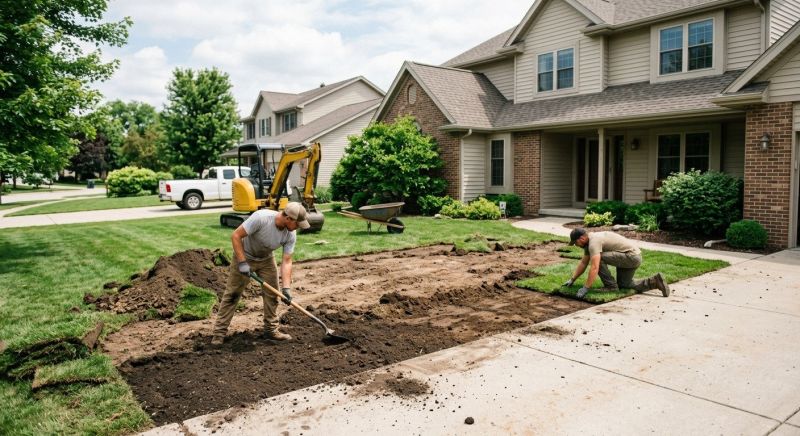
What types of yard damage can be repaired? Damage such as erosion, dead patches, and damaged sprinkler systems can be restored to improve yard health and appearance.
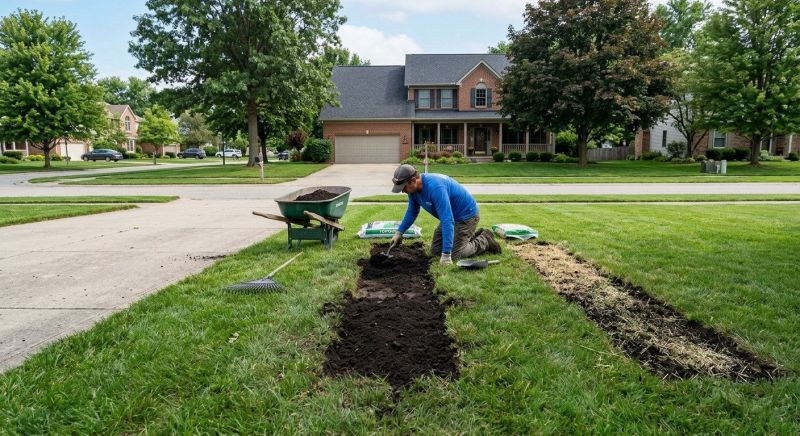
How can damaged lawns be fixed? Repair methods include reseeding, sod replacement, and soil leveling to promote healthy grass growth.
What issues with yard drainage can be addressed? Excess water pooling, poor runoff, and soil erosion can be corrected to protect the yard and foundation.
Are there options for restoring damaged landscape features? Yes, features like broken pathways, damaged retaining walls, and overgrown plants can be repaired or replaced for a better yard layout.
Request Damaged Yard Repair in Honolulu, HI
Use the quote form on this page to share the basics of your project and request more information for the type of work you need.